

Larry Summers, former Harvard president who served as Bill Clinton’s Treasury secretary and as director of the National Economic Council under Barack Obama, and is currently on the boards of OpenAI & Skillsoft, emailed Jeffrey Epstein seeking advice on women.
Disclaimer* This website may contain images, videos, and other media that have been generated or modified using artificial intelligence (AI) tools. Such content is created for illustrative purposes and is not intended to represent real events, people, or objects.
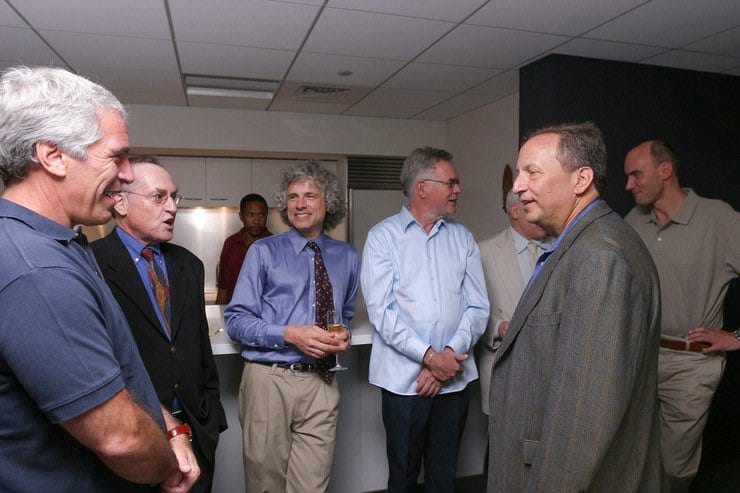
On Monday, Larry announced that he would be stepping back from public commitments following the release of emails showing he maintained regular contact with Jeffrey Epstein for years after the financier’s 2008 conviction for sex crimes—and continuing right up until Epstein’s July 2019 arrest on federal child sex trafficking charges.
The former Treasury Secretary and Harvard professor released a statement acknowledging he is “deeply ashamed” and taking “full responsibility” for his “misguided decision to continue communicating with Mr. Epstein.”
The emails, released last week by Republicans on the House Oversight Committee, paint a picture of an ongoing relationship between one of America’s most prominent economists and a convicted sex offender. This wasn’t an occasional professional contact. These were hundreds of messages exchanged between 2013 and 2019 covering women, politics, and Harvard business.

The content itself is revealing. In October 2017, Summers joked to Epstein about women’s intelligence: “I observed that half the IQ in world was possessed by women without mentioning they are more than 51 percent of the population.” In March 2019, he asked Epstein for romantic advice about pursuing a woman. In 2016, he asked Epstein whether Trump was a “cocaine user.”
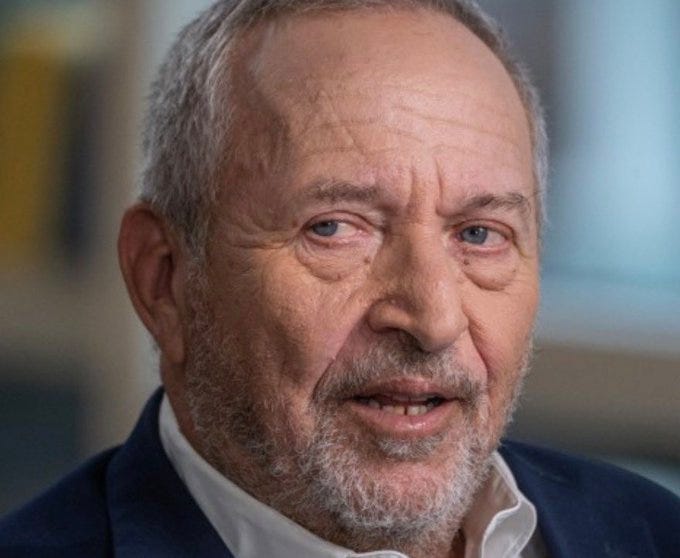
The last email came in March 2019. According to the Harvard Crimson, they were still texting the day before Epstein’s arrest.
The Timeline That Matters
Context is crucial here. Epstein pleaded guilty in 2008 to soliciting prostitution from a minor in Florida—a plea deal widely criticized as far too lenient given the scope of allegations against him. Everyone in Summers’ circles knew who Epstein was and what he’d been convicted of doing.
Summers continued the relationship anyway. For over a decade. Through hundreds of emails. Discussing everything from politics to personal matters.
This wasn’t ignorance. This was a choice, made repeatedly, by someone who absolutely knew better.
The Pattern of Elite Protection
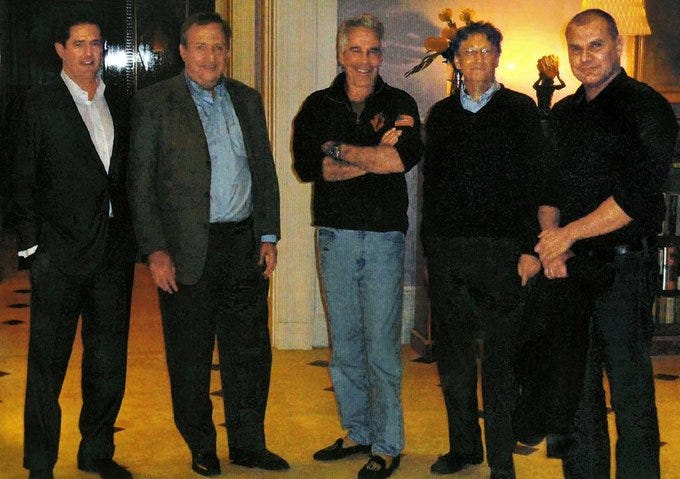
Summers is hardly alone in maintaining ties to Epstein after his conviction. The financier’s network included scientists, academics, politicians, and businesspeople who continued associating with him despite his criminal record. A 2011 photo shows Summers at Epstein’s Manhattan house alongside Bill Gates and others.
But Summers’ position makes his choices particularly significant. As a former Treasury Secretary, Harvard president, and current professor at one of the world’s most prestigious universities, he occupies a position of significant influence and public trust. His judgment matters. His associations matter. The standards he upholds—or doesn’t—matter.
The question isn’t just “Why did Larry Summers maintain this relationship?” It’s “What does it say about elite accountability that he felt comfortable doing so?”
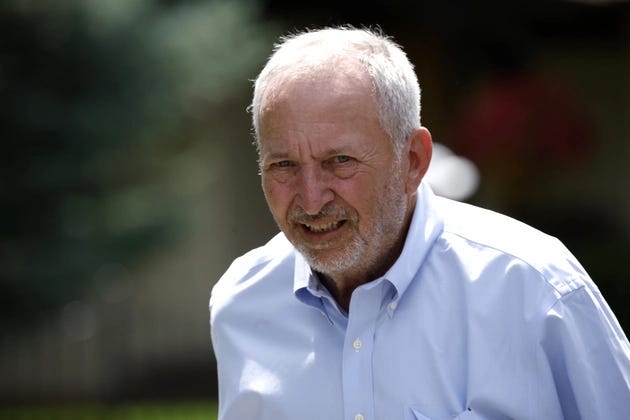
Stepping Back—But Not Away
Summers’ statement said stepping back from public commitments is “one part of my broader effort to rebuild trust and repair relationships with the people closest to me.”
Notably, he will continue teaching at Harvard. He remains on the board of OpenAI and Skillsoft. He’s still a Bloomberg columnist, a regular New York Times contributor, and a senior fellow at the Center for American Progress.
“Stepping back from public commitments” appears to mean reducing visibility temporarily while maintaining most of his influential positions. This is not exactly a reckoning. It’s more of a strategic retreat—laying low until the news cycle moves on.
The Broader Question
President Trump has directed the Justice Department to probe Epstein’s ties with Summers, Bill Clinton, and other prominent Democrats and institutions. Attorney General Pam Bondi announced that Jay Clayton would oversee the investigation “with urgency and integrity.”
But beyond any potential legal implications, this episode raises fundamental questions about elite accountability and judgment.
How do people in positions of significant power and influence continue relationships with convicted criminals—particularly those convicted of crimes against children—and face minimal professional consequences? What does it say about our institutions that this kind of association was apparently considered acceptable, or at least manageable, for so long?
Summers maintained contact with Epstein through 2019. Epstein died in a Manhattan jail cell in August 2019 while awaiting trial on child sex trafficking charges. His death was ruled a suicide.
The victims of Epstein’s crimes deserved better than to watch prominent men continue treating their abuser as a valued contact, advisor, and friend. They deserved—and still deserve—institutions that draw clear lines about who merits continued association and who doesn’t.
Accountability, Real and Performative
Summers’ statement expresses shame and acknowledges responsibility. Those are important words. But accountability means more than apologizing after you’re caught. It means facing actual consequences. It means institutions taking these failures of judgment seriously.
So far, Summers retains most of his positions and platforms. Harvard hasn’t announced any review of his status. His board positions remain intact. The statement promises to “rebuild trust,” but with whom, and how, remains unclear.
This isn’t a call for permanent exile or career destruction. It’s a question about standards. If maintaining a decade-long correspondence with a convicted sex offender—continuing right up until his arrest on federal trafficking charges—doesn’t trigger meaningful institutional response, what does?
Elite accountability can’t just mean saying the right words when emails leak. It has to mean something more.
The emails are now public. The judgment failure is documented. Whether Summers’ “stepping back” represents genuine reckoning or merely strategic damage control will depend on what comes next—not just from him, but from the institutions that continue to grant him platforms and authority.
The victims of Epstein’s crimes are still here. The questions about who enabled his continued acceptance in elite circles remain unanswered. And “deeply ashamed” rings hollow when it comes only after public exposure, not before.
Accountability delayed is accountability denied. And in this case, it’s still unclear whether any real accountability is coming at all
.


